
How Much Does It Cost to Live in Sioux Falls in 2026?
The honest, item-by-item answer relocators and first-time buyers ask for most: housing, utilities, groceries, taxes, insurance, and what it adds up to each month.
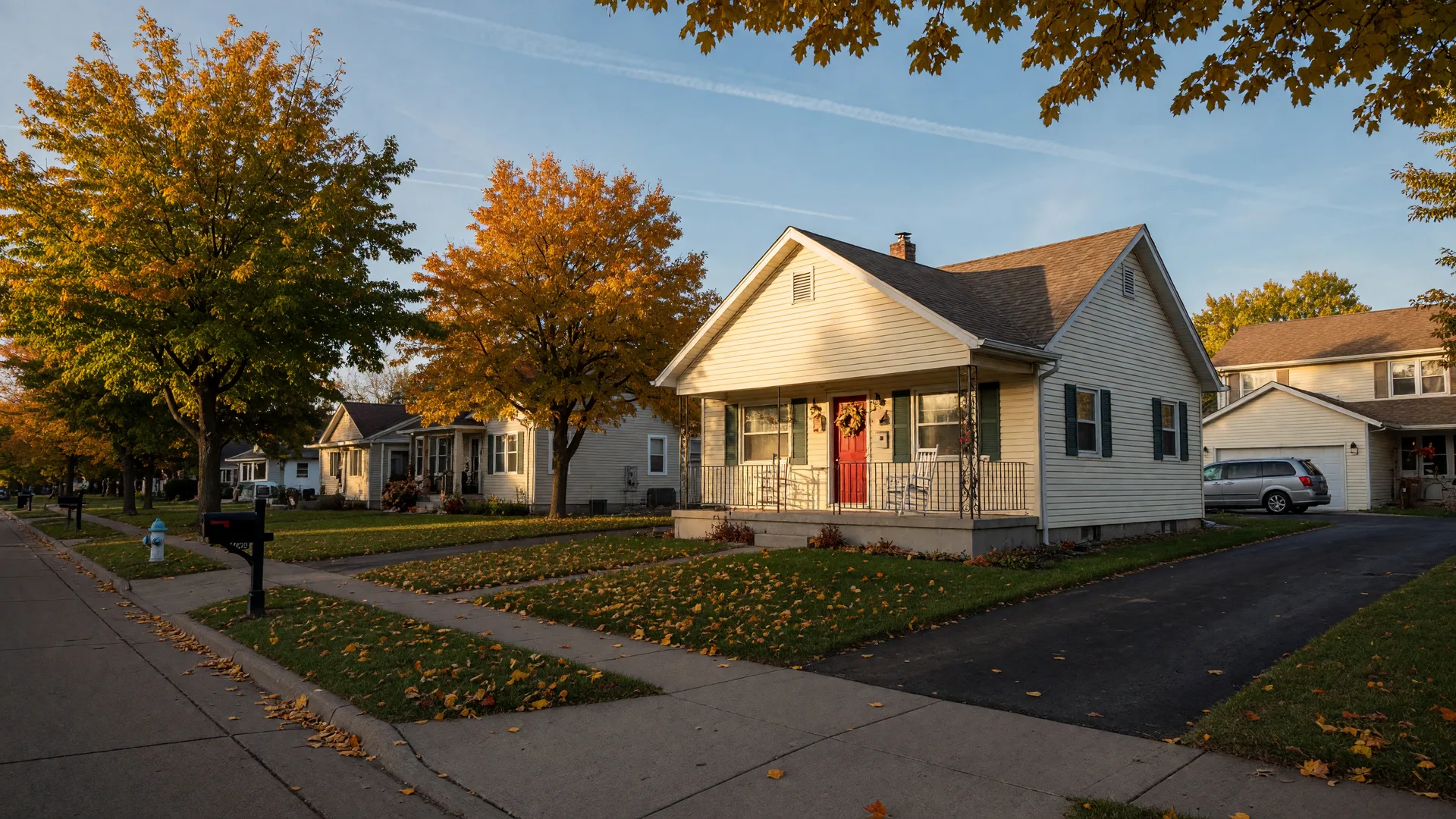
Most cost-of-living indexes put Sioux Falls roughly 10% below the national average, and the savings show up in the three places that matter most: housing, utilities, and a paycheck the state of South Dakota does not tax. A median-priced home here sold for $344,600 in September 2026, a typical full utility bill runs about $250 a month, and there is no state income tax at all. I'm Jennifer Krosch, a Realtor with eXp Realty, and this guide walks through every line item so relocating families and first-time buyers can budget with real numbers instead of guesses.
About this article
Cost-of-living figures come from 2026 estimates published by Redfin, RentCafe, PayScale, Salary.com, BestPlaces, and Zumper, current as of this writing. Housing market figures are from the Realtor Association of the Sioux Empire for September 2026, the latest month reported, as covered by SiouxFalls.Business and KELO. Property tax and homeowners insurance ranges come from SmartAsset and 2026 insurance rate studies by NerdWallet, Insurance.com, and Insurify. I have only included details I could confirm in today's sources; if a number is not here, it has not been verified.
The short answer: how far your money goes
If you are moving here from almost anywhere, your money goes further. Cost-of-living indexes put Sioux Falls roughly 10% below the national average, with estimates ranging from about 5% to 12% below depending on the source. The single biggest saving is housing, which runs about 23% to 24% below the national average. Utilities come in roughly 13% to 16% lower, groceries run about 3% to 4% cheaper, and on top of all of that, South Dakota has no personal state income tax.
The day-to-day feel matches the indexes. The average commute here is about 16 to 19 minutes one way, versus around 26 minutes nationally, so a family often trades a long drive for more time at home. And because the metro is large enough for big employers yet small enough to get across in half an hour, your housing dollar buys a home in a neighborhood that actually fits your routine.
Housing: the biggest line item
Housing is where the savings are largest, and it is also where the numbers move the most. The median sale price in Sioux Falls was $344,600 in September 2026, the latest month reported by the Realtor Association of the Sioux Empire. The average sale price hit a record $456,855 the same month, which sounds high until you understand the mix: a good share of the sales are newer, larger homes on the edges of town, and they pull the average up well above the median. That is a long way of saying prices vary a lot by neighborhood, which is normal here.
For renters, a typical two-bedroom apartment rents for around $1,100 to $1,200 a month, with averages ranging from about $950 to $1,400 depending on the source and the building. Either way, housing costs run roughly a quarter below the national average, which is the single biggest reason relocators tell me their budget feels like it goes further here.

Utilities: what the monthly bills really look like
Utilities are one of the quiet wins of living here. A full utility package for a typical single-family home, covering electric, gas, water and sewer, and trash, runs about $248 a month. Energy costs alone average around $167 a month, compared with a national average near $223. Broken down, a typical home might see electric around $123, gas around $58, water and sewer around $50, and trash around $33, with internet adding roughly $38.
Two honest caveats. Winter is real here, so heating bills climb January through March, and older homes with drafty windows cost more to keep warm than a tight, newer build. And hail season means the occasional summer storm. But over a full year, utility costs in Sioux Falls run roughly 13% to 16% below the national average, and well-sealed homes keep the winter spikes manageable.
Groceries and everyday costs
Groceries run about 3% to 4% below the national average, with a typical household spending roughly $600 a month. It is not a dramatic saving on any single trip, but it adds up over a year. Everyday services, dining out, and childcare tend to sit close to national averages, so the realistic way to think about it is that groceries and housing carry the savings while the rest of your budget behaves about as you would expect anywhere.

Taxes: the part that surprises people
This is the line item that makes relocators do a double take. South Dakota has no personal state income tax, so your paycheck is not reduced by the state every month. For someone moving from a state with a 4% or 5% income tax, that is a raise you never see as a line on a paycheck, but it is real money every year.
The trade-offs are worth knowing. The combined sales tax in Sioux Falls is 6.2%, made up of South Dakota's 4.2% state rate plus the city's 2.0% local rate. And property taxes are not the bargain of the budget: a typical Sioux Falls homeowner pays roughly $3,200 to $4,000 a year, an effective rate of about 1.2% of home value, and owner-occupied homes qualify for savings on the bill. On a median-priced home, plan on roughly $300 a month for property taxes. For the full breakdown, my guide to how Sioux Falls property taxes work walks through the rates and the owner-occupied savings step by step.
Homeowners insurance: the weather factor
Insurance is one of the few costs that runs above the national average here. A typical Sioux Falls homeowners policy runs roughly $2,900 to $3,700 a year, about $240 to $310 a month, and the reason is weather. South Dakota gets hail and severe storms, and insurers price that risk into premiums.
There is no way around the weather, but there is room to shop. Premiums vary noticeably between carriers for the same home, so it pays to compare quotes, ask about bundling with your auto policy, and review your deductible. A solid roof and updated electrical are exactly the things that keep a premium reasonable, and they are the same things I look at when I walk a home with a buyer.
A sample monthly budget for a median-priced home
Let me put the numbers together so they feel real. This is an illustration, not a quote, but it uses today's actual figures. On a median-priced home at $344,600 with 10% down, you are financing roughly $310,000. At today's 30-year fixed rates for well-qualified buyers, principal and interest land around $1,950 to $2,200 a month. Add property taxes at about $300 a month and homeowners insurance at about $275, and a median-priced home runs roughly $2,500 to $2,800 a month before utilities. Toss in a typical $250 utility bill and you are looking at close to $2,800 to $3,000 a month all-in.
The two dials that change that number most are your down payment and your rate. A larger down payment cuts the loan and the payment directly, and a lower rate saves hundreds a month over the life of the loan. I walk through the full affordability math, including the income side, in my guide to how much house you can afford in Sioux Falls. The honest takeaway: your exact budget depends on your numbers, so the right move is to get pre-approved and run your own figures before you fall in love with a house. I am happy to help you line that up with a lender who knows Sioux Falls.
What this means if you are relocating or buying your first home
Add it all up and the story is simple: a salary that feels ordinary in a higher-cost city goes further here, and the two biggest wins, below-average housing and no state income tax, are also the two things you feel every single month. That combination is why relocating families keep telling me they can afford the home, the neighborhood, and the lifestyle they were hoping for.
My practical advice is to budget for the surprises, not just the averages. Winter heating, hail-season insurance, and property taxes are the three items that catch newcomers off guard, and all three are manageable once you plan for them. And plan for the intangibles too: a 16 to 19 minute commute, strong schools, and a city that still feels easy to get around. If you are weighing a move or a first purchase, my relocating to Sioux Falls guide is a good place to start, and I would love to sit down and build a budget with you using real neighborhood numbers, not generalities.
FAQ: Cost of living in Sioux Falls
How much does it cost to live in Sioux Falls in 2026?
Most cost-of-living indexes put Sioux Falls roughly 10% below the national average, with estimates ranging from about 5% to 12% depending on the source. The biggest savings are in housing, which runs about 23% to 24% below the national average, with utilities roughly 13% to 16% lower and groceries about 3% to 4% cheaper. South Dakota also has no state income tax.
Is Sioux Falls an expensive place to live?
No. Sioux Falls sits below the national average for overall cost of living, with housing the biggest win. A median-priced home sold for $344,600 in September 2026, the latest month reported by the Realtor Association of the Sioux Empire, well below the national median, and typical two-bedroom rents run around $1,100 to $1,200 a month.
Does South Dakota have a state income tax?
No. South Dakota is one of the few states with no personal state income tax, which is a major budgeting advantage for relocators moving from income-tax states. Sales tax in Sioux Falls is 6.2% combined, made up of South Dakota's 4.2% state rate plus the city's 2.0% local rate.
What is the median home price in Sioux Falls right now?
The median sale price in Sioux Falls was $344,600 in September 2026, the latest month reported by the Realtor Association of the Sioux Empire. The average sale price hit a record $456,855 the same month, which reflects a market mix that includes many newer and larger homes.
How much are utility bills in Sioux Falls?
A typical full utility package for a single-family home in Sioux Falls, including electric, gas, water and sewer, and trash, runs about $248 a month, with energy costs around $167 a month versus a national average near $223. Utilities in Sioux Falls run roughly 13% to 16% below the national average.
How much are property taxes in Sioux Falls?
A typical Sioux Falls homeowner pays roughly $3,200 to $4,000 a year in property taxes, an effective rate of about 1.2% of home value. On a median-priced home that works out to roughly $300 a month, and owner-occupied homes qualify for savings on the bill.