
Should You Renovate Before Selling in Sioux Falls? Or Sell As-Is?
The honest math on which projects pay back before you list, and when selling as-is makes sense.
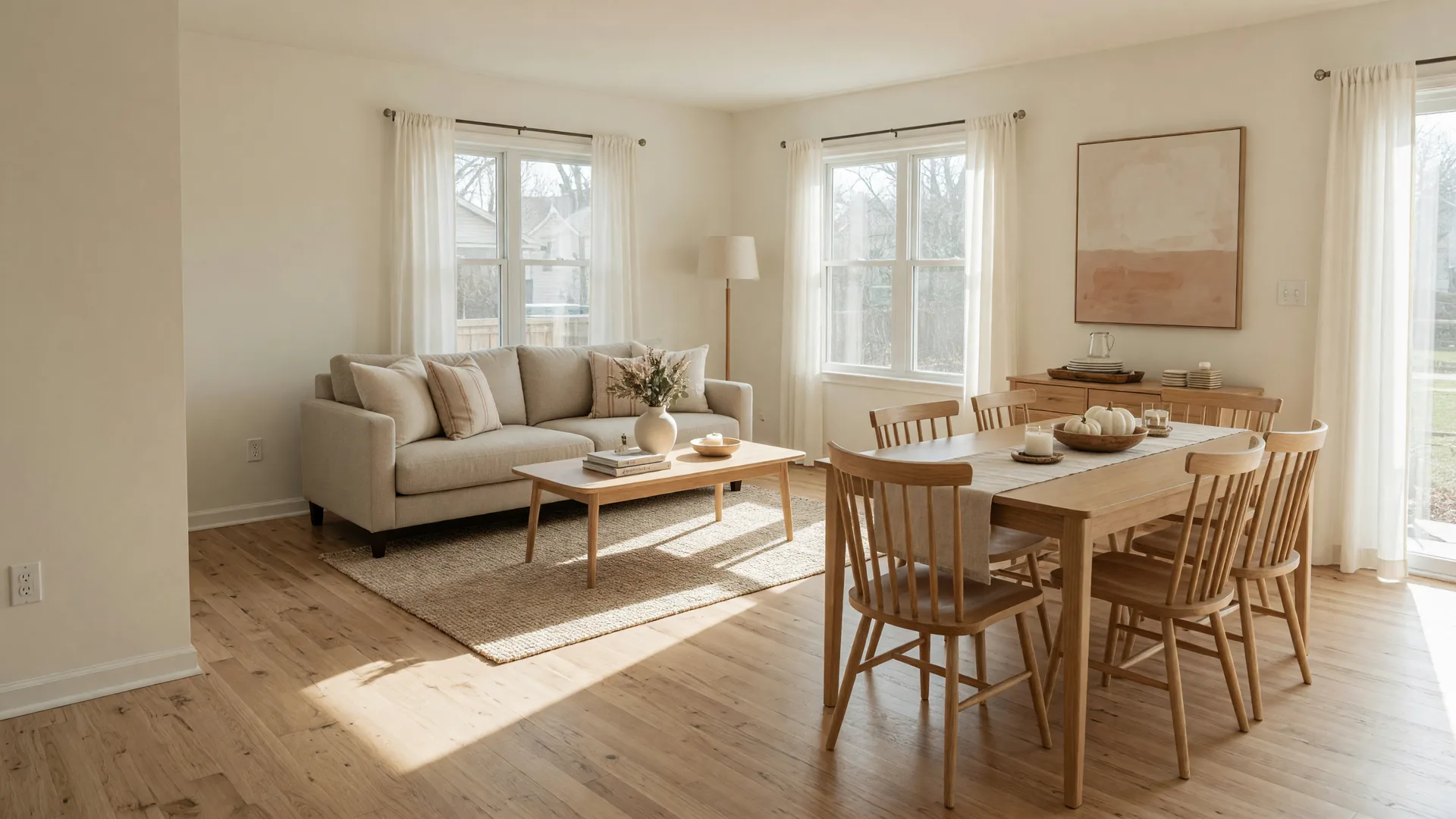
In most cases, the answer is: do the cheap things, fix the real things, and skip the big remodel. I'm Jennifer Krosch, a Realtor and Broker Associate with eXp Realty in Sioux Falls, and after more than 20 years in construction, electrical work, and workplace safety, the first question I hear from sellers is almost always the same: should I renovate before selling my home, or sell it as-is? Here is the honest version of that math, what the national data says about which projects actually pay back, and the walkthrough approach I use with my own sellers.
Start with a real number for your home, not a to-do list
Before you spend a dollar, you need two honest numbers: what your home would sell for today, as-is, and what it would sell for after the work you are considering. That second number does not come from Pinterest, it comes from recent, comparable sales in your Sioux Falls neighborhood, adjusted for your home's condition. The Sioux Falls market still favors well-priced homes over renovated ones: buyers respond to a realistic starting price, and over-improving a home in a modest neighborhood rarely gets paid back dollar for dollar. If you want the current numbers behind that, my latest market update for sellers walks through inventory, pricing, and days on market.
The order matters too. Price strategy first, then condition, then cosmetic choices. A home priced at its realistic market value sells close to asking; a home overpriced by the seller's emotional attachment sits, and every week it sits makes the next offer lower. Condition is how you justify your price, not how you rescue a bad one.
Which renovations actually pay back before a sale?
The most useful numbers on this question come from the Cost vs. Value report, published annually by Zonda and JLC and formerly known as the Remodeling Magazine report. The 2025 edition, which tracks national averages, tells a consistent story: modest, midrange updates recover their cost, and expensive overhauls do not. The interior numbers that matter most to sellers:
- Minor kitchen remodel (midrange): about $28,500 in cost, adds roughly $32,100 in resale value, and recoups about 113 percent. This was the best interior return in the report.
- Major kitchen remodel (midrange): about $82,800 in cost, recouping only about 51 percent.
- Midrange bathroom remodel: about $26,100 in cost, recouping about 80 percent.
- Upscale major kitchen overhaul: the worst of the bunch at roughly 39 to 40 percent recouped.
Two caveats before anyone quotes these at a listing appointment. First, these are national averages; your actual return depends on your neighborhood, your home's price point, and how the work compares to similar homes in Sioux Falls. Second, the National Association of Realtors' Remodeling Impact research confirms the same theme: the projects with the widest appeal, fresh kitchens and renovated bathrooms at a reasonable scale, are the ones buyers pay for. The rule of thumb I give sellers: if you would only do the project for your own enjoyment, do it only if you can afford to and enjoy it; do not do it for resale value, because the big-ticket version rarely comes back.
Prep work is not the same as renovating
This is the section most sellers skip and the one that moves the needle most. Prep work means the cheap, fast, visible items that tell buyers this home is cared for: fresh neutral paint in warm white or greige instead of bold personal colors, clean carpet or replaced flooring in the rooms that show wear, updated door and cabinet hardware, new light switch plates and faucets where they are dated, a deep professional clean of every surface, and a decluttered home that lets buyers picture their own furniture. Outside, it means a mowed lawn, trimmed shrubs, a clean front door, and house numbers that are visible from the street.
None of this is a remodel. A few thousand dollars and a couple of focused weekends can take a home from "this needs work" to "this is move-in ready," and buyers consistently pay more and negotiate less on the second one. In my experience walking homes, the difference between two similar listings in the same Sioux Falls neighborhood is rarely the granite; it is almost always the fresh paint, the clean floors, and the absence of visible deferred maintenance.
Which repairs should I make before selling?
Fix the things a buyer's inspector and a lender will flag, because those are the things that come back as repair requests, inspection objections, or renegotiated prices after the offer. The category that matters most: roof problems, active plumbing leaks, water damage, and electrical hazards. HomeLight and other industry research consistently put the payback for targeted repairs like roof repairs, plumbing corrections, and water damage remediation at roughly 70 to 80 percent of their cost, and the point of those fixes is not just resale value, it is removing the fastest reasons for a deal to die.
A failing roof, a fire-hazard wiring setup, or an active leak are the items lenders will not finance and savvy buyers will price in harshly, often at a discount larger than the repair would have cost you. Fixing them before listing converts a negotiation point into a checkmark. This is where my background matters to my sellers: I have spent decades around electrical systems, job sites, and safety programs, so I can walk a home and point at what an inspector will notice, before the inspector gets paid to find it in front of a buyer. You can read more about how I approach that in my post on what to look for in a home inspection.
When selling as-is is the smart call
Selling as-is is not a failure and it is not a discount listing title; it is a decision that the gap between your as-is value and your after-fix value is smaller than the cost, hassle, or risk of doing the work. That is genuinely true in a few situations:
- You cannot fund the work. Borrowing on credit cards or delaying the sale for months to save up is usually a worse trade than pricing the home for its current condition.
- The home needs big-ticket structural work. Foundation movement, major layout problems, or a full roof replacement can overwhelm the value a fix adds in your price range.
- Your buyer is an investor or cash buyer. These buyers expect a discount and have their own crews; they are often the best fit for a home that is cosmetically tired but solid.
- Your timeline is urgent. Relocations and life changes do not wait for a six-week remodel. A well-priced as-is home can still close on your schedule.
One thing to keep straight: "as-is" does not change your disclosure obligations. South Dakota sellers still complete the property condition disclosure, and buyers can still inspect and negotiate. An as-is price simply reflects that you have priced for the condition up front. Transparency is not a concession, it is what separates a smooth as-is sale from a renegotiation battle.
Should I get a pre-listing home inspection?
Usually, yes. A pre-listing inspection typically runs $300 to $500, and it buys you information instead of surprises. Done early, it tells you which repairs are worth making, lets you price your home accurately for its true condition, and gives you a clean report to hand buyers or a short, honest fix-it list you have already handled. When a buyer's inspector shows up later, you are the one presenting findings instead of receiving them.
The trade-off is real: any defects the inspection reveals generally become part of what you must disclose, and some sellers prefer not to know. I understand the instinct, but I have seen the alternative play out: a buyer's inspection late in the process, a renegotiation, or a deal that falls apart over a surprise the seller could have fixed for a few hundred dollars. Knowledge is a seller's friend here, especially if the home is genuinely solid. If it is not, you would rather find out before you spend money marketing a problem.
What I look for when I walk a home with a seller
When I walk a home before listing, I look the way I was trained to on job sites: for condition, safety, and what the next owner will notice. This is the short list I use with every seller, and it is the same list buyers' inspectors will use:
- Roof: age, curling or missing shingles, and granules collecting in the gutters are the signs of a roof nearing the end of its life.
- Water: stains on ceilings or walls, musty odors, soft spots near windows and doors, and any sign of past or present leaks.
- Grading: the soil should slope away from the foundation, not toward it. This one is cheap to check and expensive to ignore.
- Electrical: the panel's age and capacity, visible DIY wiring, and outlets or fixtures that feel wrong. This is my home turf.
- HVAC: the age of furnace and air conditioner, service records, and how the vents have been maintained.
- Windows: failed double-pane seals show as condensation or fog between the panes, and they get called out in every inspection.
- Flooring and finishes: worn carpet and scuffed floors cost more in perceived value than they cost to replace.
None of this replaces the licensed inspector you should still hire, but it tells you where your prep dollars go before you spend them. Most sellers are surprised by how much of this list is cheap to address and how much it changes the way a home shows.
How to decide, in five steps
Here is the process I run with every Sioux Falls seller, and it keeps the decision to a few concrete questions instead of a renovation spiral:
- Get the two numbers. Have a realtor give you an honest as-is value and an after-prep value based on real comparable sales, not wishes. This is step one of my free selling guide process.
- Price the work. Get actual quotes for the fix-it list, not estimates from memory. Roof, electrical, plumbing, and flooring quotes are all free and fast to obtain.
- Compare the gap. If after-prep value minus the cost of work is meaningfully higher than as-is value, do the work. If they are close, save your money.
- Do the cheap stuff either way. Paint, clean, declutter, landscaping, and hardware are part of the listing strategy no matter which path you choose.
- Gather your paperwork. Service records, permits, and receipts for work done. The seller who shows up with a maintenance file wins the negotiation, every time.
If you are weighing this decision, start with a conversation rather than a contractor. A good local listing agent tells you what the market will actually pay for the work before you pay for the work, and that single conversation has saved my sellers thousands. Here is my guide to choosing the right Realtor if you are still deciding who to trust with that math.
FAQ: Renovate or Sell As-Is in Sioux Falls?
Should I renovate before selling my house?
Do the cheap, high-visibility work and the real repairs, and skip the major remodel unless the math clearly works. Fresh neutral paint, worn flooring, deep cleaning, and a tidy exterior almost always pay for themselves, while a minor midrange kitchen remodel recoups about 113 percent of its cost and a major one only about 51 percent.
Is it better to sell a house as-is or fix it up?
It depends on the gap between your as-is value and your after-repair value. Most sellers net more with targeted repairs, which typically return about 70 to 80 percent of their cost. Selling as-is makes sense when you cannot fund the work, the home needs major structural repairs, your timeline is urgent, or the price gap is smaller than the repair bill, and it never changes your duty to disclose.
What renovations add the most value when selling a home?
Modest, midrange updates recover the most. In the 2025 Cost vs. Value national data, a minor midrange kitchen remodel recouped about 113 percent of its cost, a midrange bathroom remodel about 80 percent, and an upscale major kitchen overhaul only about 39 to 40 percent. Prep work like fresh paint, flooring, and curb appeal delivers the strongest return per dollar of any pre-listing work.
How much does a kitchen remodel cost before selling?
The 2025 Cost vs. Value national averages put a minor midrange kitchen remodel at about $28,500 and a major midrange one at about $82,800. The smaller project added roughly $32,100 in resale value at about 113 percent recouped, while the major one recovered only about half its cost. Get local quotes and a realtor's value estimate before spending anything.
Should I get a pre-listing home inspection?
Usually yes. A pre-listing inspection typically runs $300 to $500 and lets you price accurately, fix known issues before showings, present a clean report, and shorten repair negotiations afterward. The trade-off is that revealed defects generally must be disclosed, but a clean report or a short fixed list beats a buyer's inspector finding surprises on day one.
What should I fix before selling my house?
Start with what a buyer's inspector and lender will flag: roof problems, active plumbing leaks, water damage, and electrical hazards such as DIY wiring or an overloaded panel, which typically return about 70 to 80 percent of their cost. Then handle the visible items buyers price in immediately, like holes in drywall, worn carpet, missing hardware, and grading that sends water toward the foundation.