
Sioux Falls Housing Market Forecast for 2027: What Buyers and Sellers Should Know
Rates are expected to stay near 7.5% through next year, prices are forecast flat to slightly up, and Sioux Falls enters 2027 with its most balanced market in years. Here is what the numbers say and what it means for your next move.
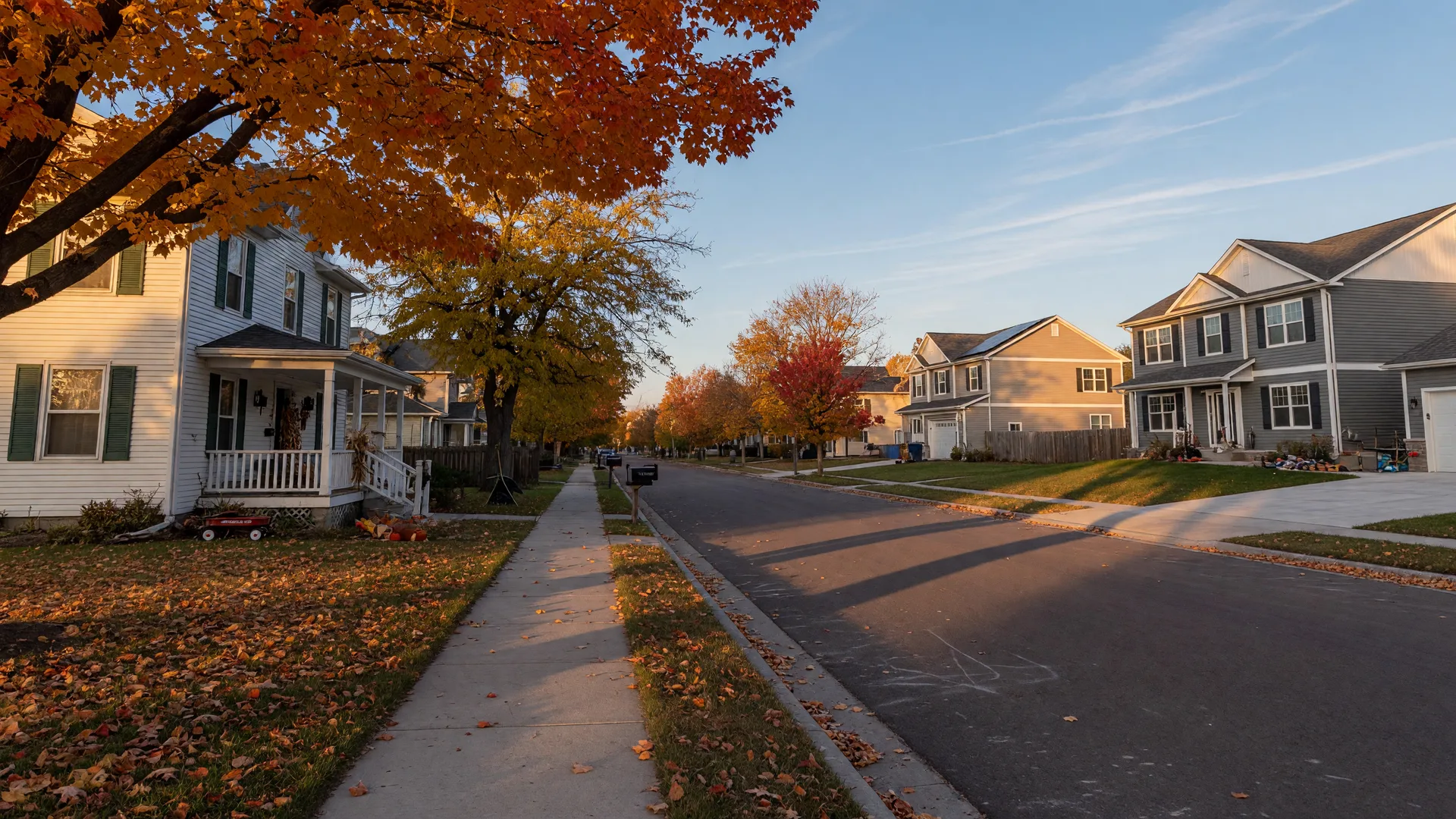
The question I hear most often this fall is simple: what happens next? The short answer for 2027 is that the national forecasts point to mortgage rates staying near 7.5% and home prices growing only 1% to 3%, while Sioux Falls enters the year with its most balanced market in years: more inventory, slower pace, and steady local demand underneath it all. I'm Jennifer Krosch, a Realtor with eXp Realty in Sioux Falls, and this forecast walks through the numbers buyers and sellers should plan around for next year.
No one can predict a housing market with certainty, and anyone who says otherwise is overselling you. What we can do is read the forecasts from the institutions that track this for a living, layer in the local data from the Realtor Association of the Sioux Empire and the metro's own building and population numbers, and answer the two questions that actually matter: what will a home cost, and what will a mortgage cost? Both look steadier than they did a year ago, which is quiet and useful news for a change.
About these numbers
National mortgage rate and price forecasts come from Fannie Mae's October 2026 forecast and published 2027 housing outlooks. Local market data draws on FRED median listing prices, days on market, and active listings for the Sioux Falls CBSA, plus SiouxFalls.Business coverage of monthly RASE data and a published summary of RASE MLS figures. Population and construction outlooks come from Pigeon605 and SiouxFalls.Business builder outlook coverage. Forecasts are forecasts, not guarantees, for any metro or the nation.
Where the Sioux Falls market stands right now
To see where we are going, it helps to see where we are. Prices in the Sioux Falls metro have settled into a stable range: the Realtor Association of the Sioux Empire reported a metro median of about $344,900 year-to-date through June, with the City of Sioux Falls proper around $332,500, and newer construction running meaningfully above resale. Different sources land in the same general band: Redfin's city median sits around $327,000, and Zillow's average home value for Sioux Falls is about $332,000, up just over 1% from a year ago. The through-line is that prices are high for our history but no longer climbing fast.
Inventory has loosened all year. Months of supply climbed from a critically lean 1.4 in December 2025 to roughly 3.3 to 3.6 through mid-2026, which is still below the 6-month mark that traditionally defines a balanced market but a completely different landscape than a year ago. Homes are also taking longer to sell: the median days on market ran in the mid-40s to low-50s through the summer, with August at about 47 days, and roughly one in five listings has been absorbing a price reduction. Sellers are still closing at about 97.5% to 98% of asking, so well-priced homes sell, but the days of automatic multiple offers are gone in most price ranges.
The 2027 mortgage rate forecast: higher for longer
The single biggest headline for 2027 is the rate forecast. Fannie Mae's October 2026 forecast was sharply revised: it now projects the 30-year fixed mortgage rate to average 7.5% through all of next year, up from an earlier call of 6.7%, with the fourth quarter of 2026 at 7.4%. The Mortgage Bankers Association expects rates to stay above 7% through 2027, and Oxford Economics revised its 2027 average up to about 7% after rates touched 7.56% in mid-October.
What does that mean in dollars? As a rough example, on a $350,000 loan at 7%, the principal and interest payment runs about $2,328 a month. At 7.5%, it is about $2,447. That is roughly $119 more each month, before taxes and insurance, or more than $42,000 over a 30-year term. It means every buyer's budget should be run at today's rate, not at the rate you hope to get in a year.
The honest news: no major forecast sees rates falling meaningfully in 2027. Waiting for a rate crash looks like waiting most of the year. The practical move is to work with a lender who can show you the buy-down options and programs that reduce that payment today, and to make your decision on the numbers in front of you rather than the ones you are hoping for.
The 2027 home price outlook: flat to slightly up
On prices, the national consensus is the mildest in years. Fannie Mae projects national home price growth of about 1% in 2027, Goldman Sachs about 0.8%, Realtor.com roughly 1.2%, Capital Economics about 2.5%, and J.P. Morgan around 3%. No major forecaster predicts a national price crash, and none predicts a boom either. The picture is a market that drifts sideways while it waits for affordability to catch up.
For Sioux Falls specifically, there is no official metro-level forecast, which is normal for a market our size. The only published local numbers are algorithmic: an automated projection model puts the average Sioux Falls home price around $340,000 in January 2027, drifting up to the low $344,000s by late 2027. That reads as roughly flat with slight appreciation, consistent with the national range and with the local RASE trends we are already seeing.
The local reasons 2027 looks steadier in Sioux Falls
National averages are one thing; Sioux Falls has its own engine. The city ended 2025 at a population of 224,676, up 2.3% for the year, and the four-county metro, around 308,000 today, is projected to pass 360,000 by 2030. Growth on that scale keeps a steady pool of buyers moving through the market, which is the quiet reason prices here hold while some national markets wobble.
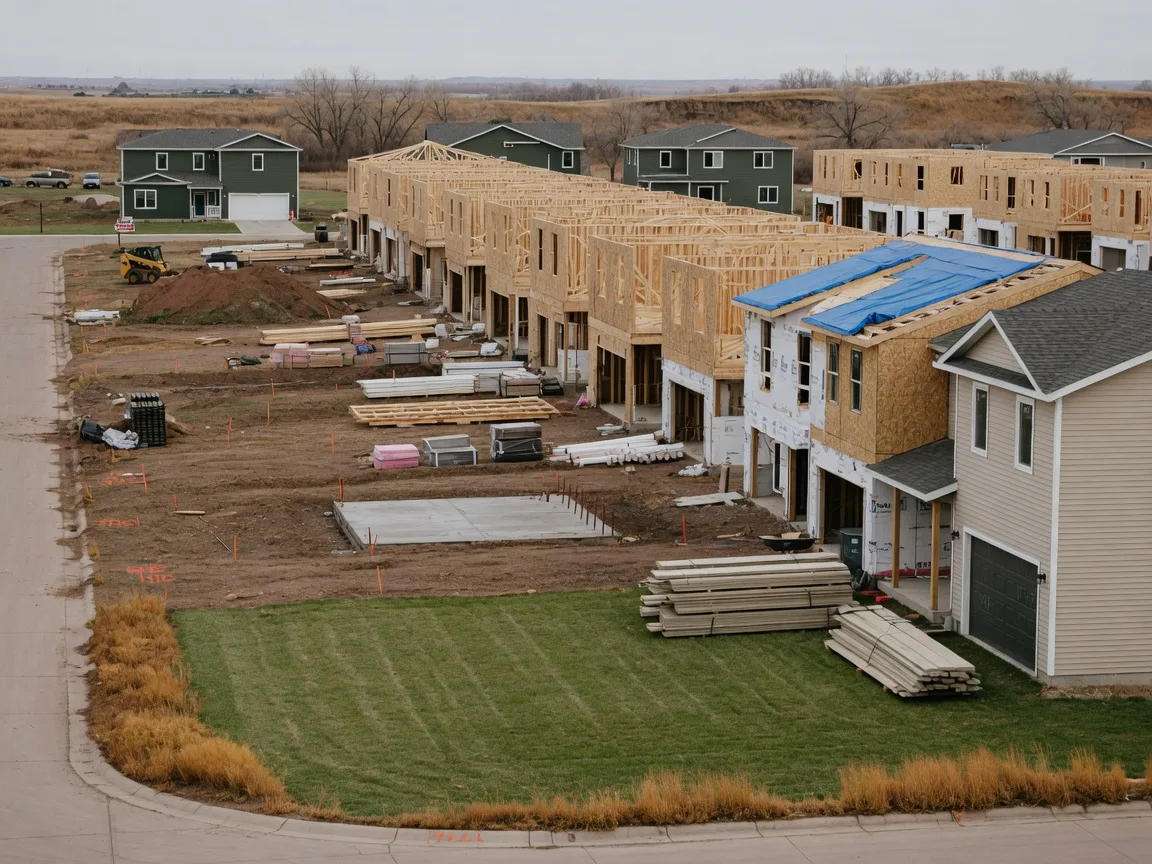
The other side of the ledger is supply, and it is genuinely good news: builders expect a rebound year. New neighborhoods are opening across the metro, headlined by the east-side Veterans Parkway corridor, where roughly 33 builders and 39 subdivisions have around 1,155 homes planned. More new construction means more choice, especially at the entry level and for first-time buyers, and it takes pressure off resale inventory at the same time. Employer expansion and South Dakota's lack of a state income tax keep feeding demand, which is why the local outlook leans stable rather than soft.
What 2027 means for buyers
For buyers, 2027 shapes up as the most reasonable market in several years, with one hard constraint: rates. More inventory, slower days on market, and price reductions on roughly one in five listings all add up to negotiating room that simply did not exist in 2024 and 2025. Sellers are more willing to talk about concessions, which can cover closing costs or a rate buy-down that lowers your monthly payment.
- Get pre-approved now, not in spring. Your rate lock and your proof of funds make your offer competitive, and lenders can show you buy-down pricing today.
- Run the numbers at 7.5%, not the rate you hope for. If you can comfortably afford the payment at today's rate, a modest dip later is upside, not a necessity.
- Look at new construction. With builders expecting a rebound year, incentives on lots and upgrades tend to appear on the table, especially in the east-side corridor.
- Use the price reductions. A home that has been on the market 60-plus days with a price cut is often a straightforward negotiation, especially if your inspection finds manageable items.
What 2027 means for sellers
For sellers, 2027 is the year pricing gets honest again. Homes that are priced at or modestly below current comps are still selling in weeks, while overpriced listings are the ones absorbing the cuts and the 60-day-plus market time. The days of pricing high and letting the market catch up are over in most Sioux Falls price ranges.
- Price against the last 90 days, not the peak. Prices are roughly flat, so the comps that matter are this quarter's, not last year's.
- Expect a more serious, more selective buyer. Showings are fewer but more qualified, and preparation matters more than it did in a frenzy.
- Plan for a longer sale. Budget for 60 to 90 days from listing to closing, not the sprint of 2024.
- Consider winter listings seriously. Fewer homes compete with you in the colder months, and relocating buyers often shop in winter.
The bottom line
The honest forecast for 2027 is steady, not startling: rates near 7.5%, prices flat to slightly up, more inventory, and slower but healthy sales. For buyers, that is a market you can negotiate in while rates stay the constraint, which is exactly why pre-approval and buy-down planning matter more than timing guesses. For sellers, it is a market that rewards correct pricing and real preparation over hope.
In a market like ours, the local numbers matter as much as the national ones, and they change month to month. Whether you are buying your first home, relocating from out of state, or selling and moving on to your next chapter, I am happy to walk through what the latest data means for your specific situation. Call, book a consultation, or browse the latest homes any time.
FAQ: Sioux Falls Housing Market Forecast for 2027
Will Sioux Falls home prices drop in 2027?
No major forecaster is predicting a price crash in 2027. National projections from Fannie Mae, Goldman Sachs, Realtor.com, Capital Economics, and J.P. Morgan all point to flat or low-single-digit appreciation, roughly 1% to 3% for the year. For Sioux Falls specifically, the only published 2027 numbers are algorithmic projections that pencil out to roughly flat prices with slight appreciation through late 2027. Local demand from steady population growth is one reason prices have a floor under them here.
What will mortgage rates be in 2027?
Fannie Mae's October 2026 forecast was sharply revised up: it now calls for the 30-year fixed rate to average 7.5% through all of 2027, up from an earlier projection of 6.7%. The Mortgage Bankers Association similarly expects rates above 7% through 2027, and Oxford Economics revised its 2027 average up to about 7%. Rates hit 7.56% in mid-October 2026. The takeaway: no major forecast sees rates falling meaningfully in 2027.
Is 2027 a good time to buy a house in Sioux Falls?
For most buyers, your own timeline matters more than the calendar. The 2027 outlook is steady prices, rates near 7.5%, and a more balanced market with roughly one in five listings taking a price reduction, which gives buyers real negotiating room. Waiting for rates to drop likely means waiting most of the year, and prices and rents are not expected to fall in the meantime. The right time to buy is when you are pre-approved, financially ready, and have found the right home.
Is Sioux Falls a buyer's market or a seller's market right now?
It is a balanced market leaning slightly toward sellers. Sioux Falls spent 2026 at roughly 3.3 to 3.6 months of housing supply, up from a critically low 1.4 months in December 2025 but still below the 6-month mark that traditionally defines a balanced market. Sellers are still getting about 97.5% to 98% of their asking price, while buyers are finding more price reductions and concessions than they did a year ago. It is fair to call it a shift toward buyers, not yet a buyer's market.
How fast are homes selling in Sioux Falls right now?
The median home in the Sioux Falls metro has sold in the mid-40s to low-50s days on market through 2026, with August at a 47-day median. That is slower than the earlier frenzy, but still a quick pace by historical standards. August 2026 closed sales were down from a year earlier, while September saw closed sales jump about 16% over the previous September, so the market is uneven month to month rather than in a straight line.
Why is the Sioux Falls housing market expected to stay stable in 2027?
The biggest local reason is demand. Sioux Falls ended 2025 at a population of 224,676, up 2.3% for the year, and the metro is projected to keep growing toward roughly 360,000 residents by 2030. Builders expect a rebound year with new neighborhoods opening, including the east-side Veterans Parkway corridor with about 33 builders and 39 subdivisions planned. Employer expansion and South Dakota's lack of a state income tax keep drawing new households, which supports steady housing demand.