
What Winter Is Really Like in Sioux Falls, SD: Weather, Snow Removal, and Winter Fun
Winter here is genuinely cold and snowy, and it is also something you can plan around. Here is the honest picture: the temperatures, the snow totals, how the city clears the streets, what driving is really like, and the winter activities that make the season a favorite instead of a burden.
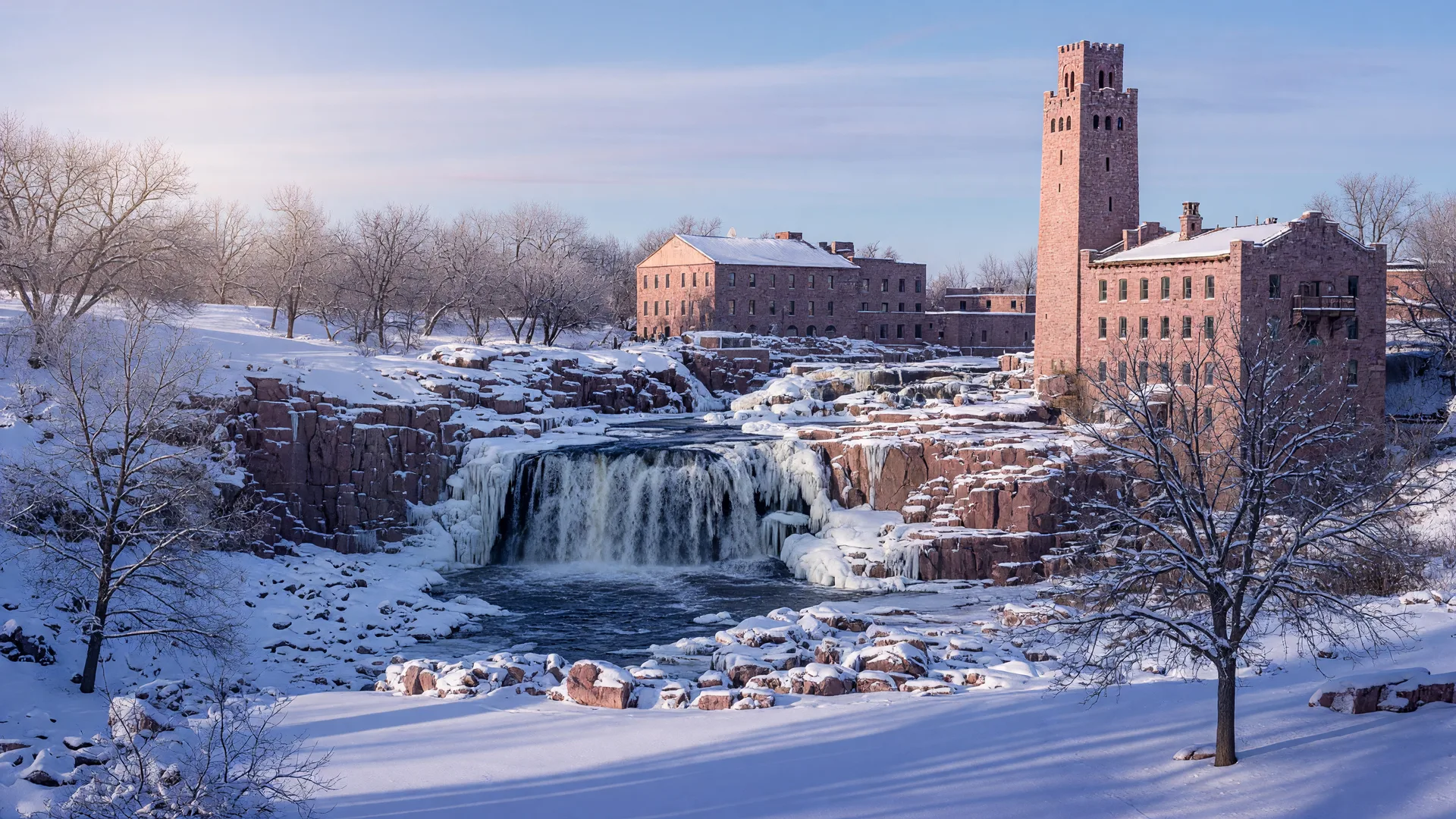
I'm Jennifer Krosch, a Realtor with eXp Realty in Sioux Falls, and the question I hear most from people considering a move here is some version of this: how bad is the winter really? The honest answer is that a Sioux Falls winter is genuinely cold and snowy, and it is also completely manageable because the city, its homes, and its people are built for it. On average the city gets about 45 inches of snow a year with roughly 25 days below zero, and it also clears more than 3,500 lane miles of roadway within a day or two of every storm, so life keeps moving. This guide gives you the real numbers, how snow removal works, what to expect on the roads, and where locals actually have fun in the cold.
This is the post I wish relocating clients could read before their first Sioux Falls winter, because the uncertainty is almost always worse than the season itself. Every temperature, snowfall figure, plowing detail, and activity below comes from NOAA climate records, the City of Sioux Falls, or the places themselves, and I have kept the advice practical enough to act on this season.
About these numbers
Temperature and snowfall figures are NOAA 1991-2020 climate normals measured at the Sioux Falls Regional Airport, with additional snowfall detail from NCEI snowfall summaries and BestPlaces subzero-day counts. Snow removal, snow alert, and parking details come from the City of Sioux Falls snow program and snow alert pages. Winter recreation details come from Great Bear Ski Valley, the City of Sioux Falls Nordic ski trails, and city ice rinks. Averages are averages; any single winter can be milder or snowier.
How cold does winter actually get in Sioux Falls?
Let's start with the number everyone asks about. Using NOAA's 30-year normals at the Sioux Falls airport, January is the coldest month with an average high around 26 to 27 degrees and an average low around 7 to 10 degrees. The mean January temperature is roughly 18 degrees. That is cold, no two ways about it, but it is a long way from the kind of deep-Arctic winter some people picture.
The statistic that surprises most newcomers is the subzero count: Sioux Falls sees about 25 to 26 days per year when the temperature drops below zero, and roughly 10 to 11 of those fall in January. The all-time record low is 42 below zero, set back in February 1899, so extreme cold is possible but rare. In practice, a typical winter is built from stretches in the teens and 20s, a handful of below-zero mornings, and plenty of sunny days where 20 degrees feels almost warm after a couple of weeks of it.
How much snow does Sioux Falls get?
The city averages about 45 inches of snow a year, with January the snowiest month at roughly 8 inches on average. Snow typically falls from November through April, so the season is long, but it comes as a series of storms you recover from rather than one endless pile. The snowiest winter on record was 1968-69 at 94.7 inches, which tells you how far outside the norm a heavy year is.
The practical takeaway for someone moving here: budget for a real winter wardrobe, a good snow shovel, and patience a few mornings a year, and expect the city to take care of the rest. Which brings us to how that actually works.
How the city handles snow: plowing, parking, and snow alerts
Sioux Falls treats snow removal like the public service it is, and the scale is the first thing to understand: the city's Street Division covers 3,500-plus lane miles of public roadway. Emergency snow routes, the main arterials that carry most of the traffic, are always the first priority, and the city may plow them after just 2 inches of snow, day or night. If you park on an emergency route during a storm, you can be ticketed and towed even without a formal alert.
The bigger tool is the snow alert. When the city plans to plow every street, it declares a snow alert and parking restrictions go into effect citywide, with vehicles ticketed and towed by zone so plows can get through. Plowing proceeds in a set order: emergency routes first, then the residential zones, with the goal of clearing all streets within 24 to 48 hours, and an average closer to 30 hours in recent winters. Downtown is treated like an emergency route, and during a snow alert street parking in the downtown zone is ticketed and towed overnight between 1 a.m. and 6 a.m. on the announced pickup night.
Two rules every newcomer should memorize. First, sign up for alerts by texting SNOWALERT to 888-777 or through the city's website, and get your car off the street when one is declared. Second, property owners are required to clear their sidewalks of snow and ice within 48 hours after a storm stops, so plan for sidewalk duty as part of homeownership here. The parking fine for ignoring snow rules is $35, and the tow is worse.
Winter driving in South Dakota
The roads are drivable most of the winter, but the days right after a storm require a different driving style. The honest advice from locals and from the city: slow down, add extra time, and drive for the conditions, not the speed limit. Stopping distances stretch dramatically on snow and ice, and the drivers who end up in ditches here are almost always the ones in a hurry.
Give snowplows room, roughly 200 feet, and never pass one on the right, because wing plows extend out that side. The safest place on a plowed road is behind the plow. Before any longer trip, check conditions through the National Weather Service's Sioux Falls office and the South Dakota DOT travel advisories, and in the metro itself, the city, police, and fire departments post storm updates on social media. A good set of all-season or winter tires, a scraper, a warm coat, and a phone charger in the car are the difference between an inconvenience and a bad afternoon.
What to do outside in a Sioux Falls winter
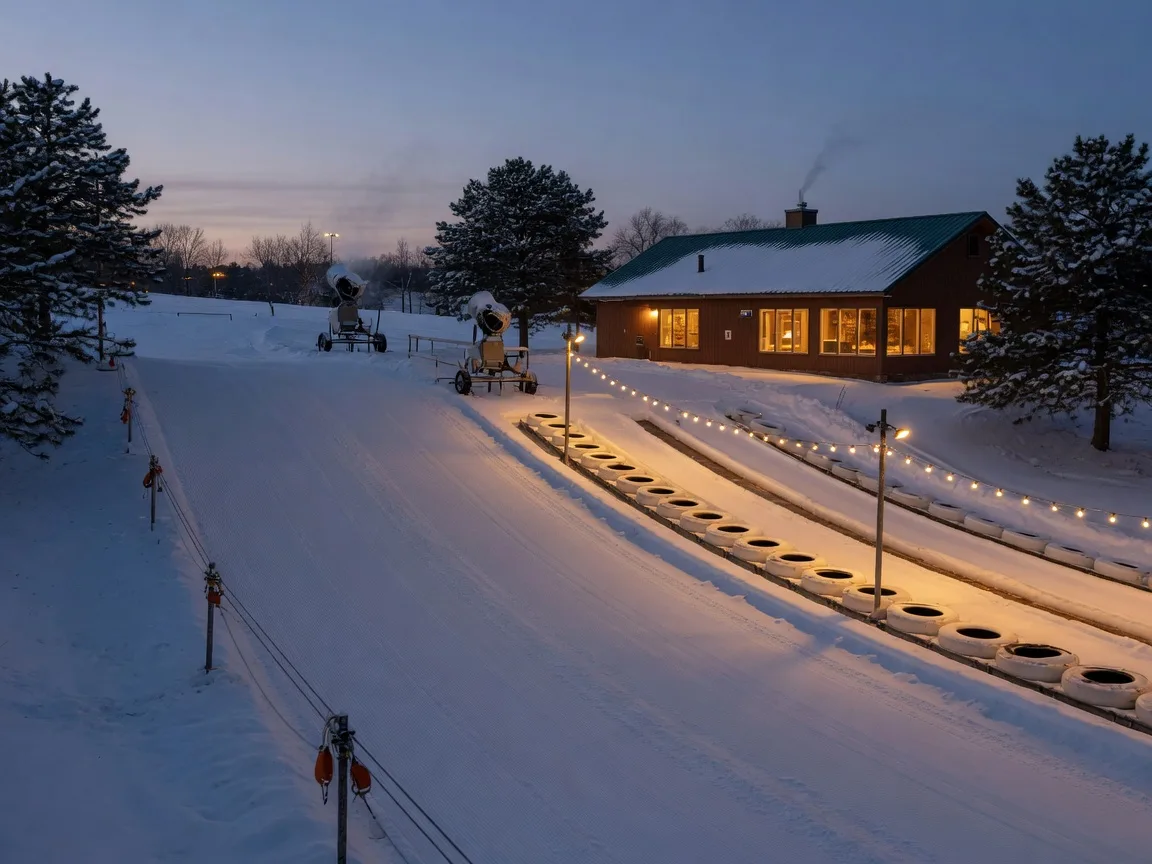
Here is the part relocators never expect: winter is genuinely fun here, and the city invests in it. The anchor is Great Bear Ski Valley, the city-owned recreation park at 5901 E. Rice Street on the northeast side. It typically opens in mid-December and runs into late March, weather permitting, with 14 downhill ski trails, about 182 feet of vertical, a terrain park, and the Kirby Family Tubing Park, a lift-served tubing hill with LED night tubing. Ski and snowboard lessons, rentals, and a chalet with views make it easy to try without owning gear.
If downhill isn't your thing, the City of Sioux Falls grooms Nordic ski trails each winter, including courses at Great Bear, Spencer Park, and Sertoma Park, which hosts a 6-kilometer groomed course. The 14,000-square-foot refrigerated ice ribbon at Jacobson Plaza in downtown turns the heart of the city into an outdoor skating rink each winter, weather permitting, and the city opens weather-dependent rinks at parks including Tuthill, Sherman, Memorial, and McKennan. For sledding, the classics are Tuthill Park, the steepest hill in town, Spellerberg Park, and Leaders Park, and snowshoers head to The Outdoor Campus along the Big Sioux River and Good Earth State Park at Blood Run just southeast of the city.
What a builder's eye checks before winter
With my construction background, I look at a Sioux Falls winter through a different lens, because the cold is exactly where a house earns its keep. Homes here are built for it, but the ones that weather winter well share the same habits: a furnace and filter that were serviced before the first hard freeze, pipes protected in unheated spaces, gutters clean so ice dams cannot form at the eaves, and weatherstripping that keeps warm air inside and cold air out.
If you are buying before winter, those are the items I point out during a showing, and they are also the items a good inspector will confirm. If you are selling, the same checklist matters, because buyers walking through in January notice a drafty entry and an unshoveled walkway faster than they notice almost anything else. My full pre-freeze checklist for Sioux Falls homes walks through every task in order, and it applies whether you are staying put, buying, or listing.
Does winter slow down the housing market?
A little, and for buyers that is often a good thing. Listing volume drops after the holidays, which means fewer homes on the market, but the buyers who are out in January and February are serious: relocating families, out-of-state transferees, and people who need to move on a schedule rather than when it is convenient. Winter sellers face less competition from other listings, and winter buyers often get a more attentive negotiation because the market is quieter.
The honest trade-off is that a home must show well in snow and ice, which is why preparation matters more than timing. If you are deciding whether to list this winter or wait for spring, my guide on selling in winter covers the January market data and the full prep checklist. And if you are buying, a winter purchase means the furnace, windows, and grading all get tested before you ever move in, which is information you want.
The honest bottom line
A Sioux Falls winter is cold, snowy, and occasionally inconvenient, and it is also short enough and well-managed enough that it rarely defines anyone's life here. The city clears its streets within a day or two, the homes are built for the climate, and the winter recreation calendar is real. Every relocating client I have worked with has told me the same thing after their first season: the winter was not the problem they thought it would be, and by March they had a favorite sledding hill and a tubing story.
Whether you are relocating from out of state, buying your first home, or selling before the snow flies, I am happy to walk through what the season means for your specific move. Call, book a consultation, or browse the latest homes any time.
FAQ: What Winter Is Like in Sioux Falls
How cold does it get in Sioux Falls in the winter?
Cold enough to respect, but not as extreme as the headlines suggest. Using NOAA's 1991-2020 climate normals at the Sioux Falls Regional Airport, January, the coldest month, averages a high around 26 to 27 degrees and a low around 7 to 10 degrees, with a mean temperature near 18 degrees. The city sees roughly 25 to 26 days a year when the thermometer drops below zero, about 10 to 11 of them in January alone. The all-time record low for Sioux Falls is 42 below zero, set in February 1899, but days that cold are rare.
How much snow does Sioux Falls get a year?
About 45 inches on average, using NOAA's 1991-2020 normals for Sioux Falls. January is typically the snowiest month at roughly 8 inches, and snow usually falls from November through April. For comparison, the snowiest season on record was 1968-69 at 94.7 inches. The practical translation: real snow, several times a winter, but the city is equipped to handle it.
Is Sioux Falls a good place to live in the winter?
Honestly, yes, if you come prepared. The winter is genuinely cold and snowy, but the city is built for it: crews cover 3,500-plus lane miles of roadway, clear all streets within roughly 24 to 48 hours after a storm, and plow downtown streets like emergency routes. Homes here are built for the climate, winter recreation is a real part of the calendar, and the season is short relative to what you get in return: no state income tax, a strong job market, and one of the friendliest communities in the Midwest.
What is there to do outside in Sioux Falls in winter?
Quite a lot. Great Bear Ski Valley, the city-owned park on the northeast side, typically runs mid-December through late March with 14 downhill trails, a terrain park, a lift-served tubing park with LED night tubing, about 4 miles of groomed cross-country trails, and snowshoeing. The city also grooms Nordic trails at Spencer Park and Sertoma Park, the 14,000-square-foot ice ribbon at Jacobson Plaza in downtown opens each winter, and Tuthill, Spellerberg, and Leaders parks are the go-to sledding hills.
What is a snow alert in Sioux Falls and what should I do?
A snow alert is the city announcing it plans to plow all streets, which puts parking restrictions into effect citywide. Vehicles left on streets can be ticketed and towed by zone, and emergency snow routes can be ticketed after just 2 inches of snow even without an alert. If you live downtown, street parking is ticketed and towed overnight between 1 a.m. and 6 a.m. on the announced pickup night. The easy fix: sign up for alerts by texting SNOWALERT to 888-777 or online, and get your car off the street when one is declared.
Do homes sell in Sioux Falls in the winter?
Yes, and winter sellers often face less competition. Listings drop after the holidays while serious buyers, including relocating families and out-of-state transferees who need to move on a schedule, keep shopping. The trade-off is that homes need to show well in snow and ice, which is exactly where preparation matters. If you are weighing a winter sale or a winter purchase, it pays to work with someone who knows how Sioux Falls homes handle the cold. My guide on selling in winter walks through the specifics.