
Why Is Homeowners Insurance So Expensive in South Dakota?
Hail makes South Dakota one of the most expensive states in the country to insure a home. Here is what a policy really costs, why the premiums are high, and what buyers can do about it.
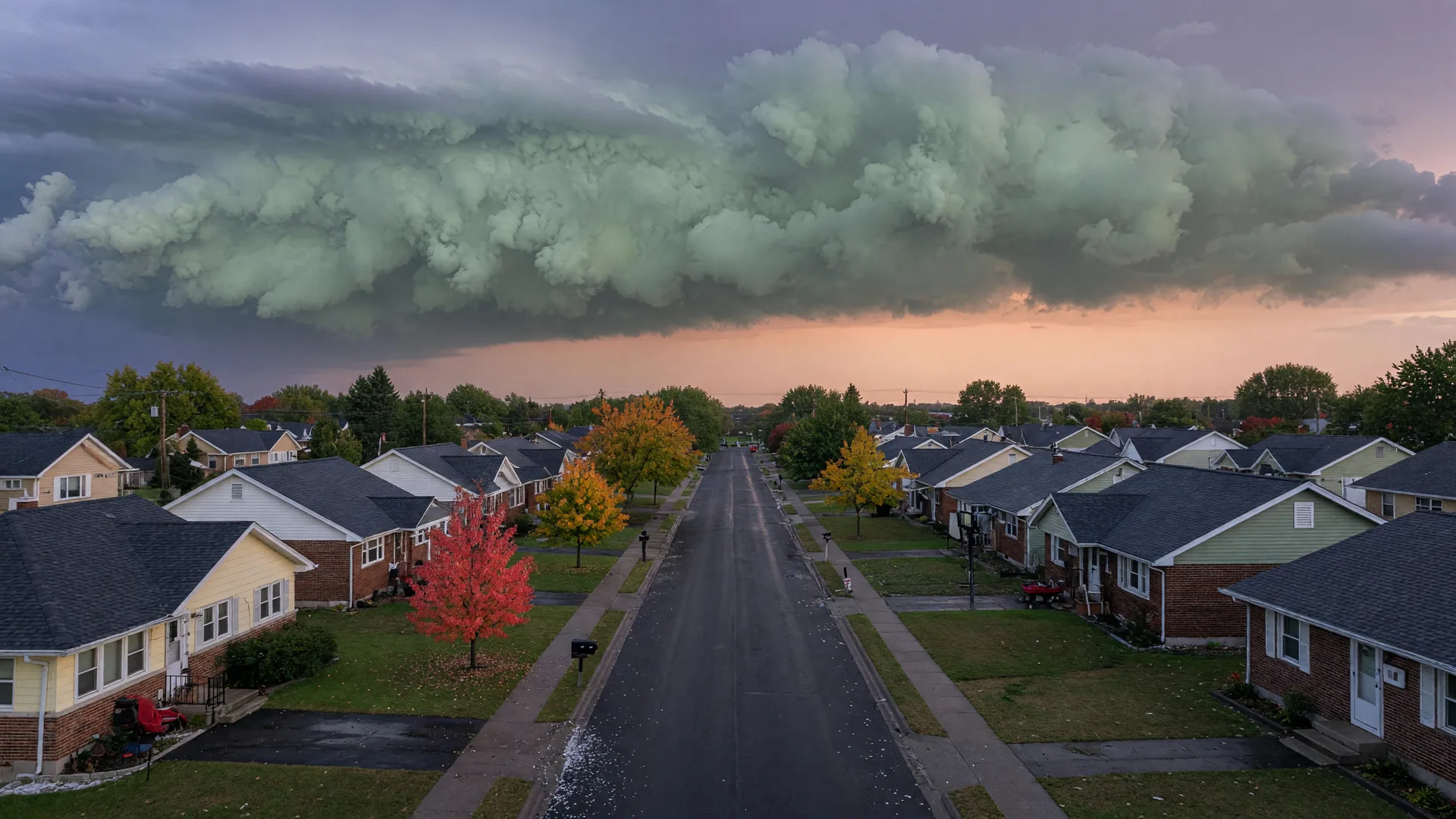
Homeowners insurance is one of the few costs in South Dakota that runs well above the national average, and hail is the reason. Rate studies put a typical South Dakota policy at roughly $3,400 to $4,000 a year, about 38% to 51% above the national average of around $2,600. I'm Jennifer Krosch, a Realtor with eXp Realty, and I walk homes for a living, so I see exactly what insurers are pricing in: roofs, storms, and the condition of the house underneath them. This guide covers what a policy really costs, why premiums are high, and the practical ways to keep yours in check.
About this article
Premium figures and rankings come from 2026 home insurance rate studies by Insure.com, LendingTree, and Kiplinger, and from a Federal Reserve Bank of Minneapolis analysis of Upper Midwest premium growth. Wind and hail deductible rules follow guidance from the South Dakota Division of Insurance. Hail statistics come from National Weather Service and NOAA Storm Prediction Center storm report data, and local storm events are drawn from National Weather Service records and Insurance Journal reporting. I have only included details I could confirm in today's sources; if a number is not here, it has not been verified.
The short answer: what a policy actually costs
Let's start with real numbers, because the sticker shock is usually smaller or larger than people expect. Insure.com puts South Dakota's average annual homeowners premium at about $3,374. LendingTree's rate study comes in near $3,637. Kiplinger's 2026 state ranking reports roughly $3,965. The spreads between studies tell you two things: premiums vary by carrier, and South Dakota sits in a consistently expensive range no matter how you measure it. The national average in the same studies is about $2,628, so South Dakota runs roughly 38% to 51% above the country as a whole, and Kiplinger ranked it the 9th most expensive state for home insurance in 2026.
It is also getting more expensive, not less. Premiums in South Dakota rose roughly 41% from 2017 to 2023, according to an analysis by the Federal Reserve Bank of Minneapolis, outpacing the national increase. The drivers are the ones that are hard to do anything about: catastrophic weather, rising rebuilding costs, and insurer losses in the region. For a buyer, that means insurance needs to be a line item in the budget, not an afterthought. On a typical policy, plan on about $280 to $330 a month, which is the state average spread across twelve payments. Your exact quote depends on your carrier, your home, and your roof, and it is one of the most shoppable costs in the whole buying process.
Why it's so expensive: South Dakota's hail problem
The honest reason premiums are high here is that we live in the Great Plains hail corridor, one of the most hail-prone regions in the world. South Dakota averages roughly 48 to 50 severe hail days a year, about 14 to 15 of them with hail 2 inches or larger, the size that routinely damages or totals a roof. The NOAA Storm Prediction Center has logged 847 hail days in the state since 2010, and hail claims account for about 35% of all homeowner claims in South Dakota. On the national leaderboard, the state ranks about 5th in annual hail events, with roughly 302 a year, and 6th in annual hail damage costs at about $15.6 million.
Sioux Falls is right in the middle of it. The metro logged 232 hail reports from 2016 through 2025, including 170 reports of hail 1 inch or larger and 14 reports of 2 inches or larger. This year alone there were 16 hail reports within 10 miles of the city, with 1.5-inch hail on May 17 and quarter-size hail on July 4. And the big ones never really leave the memory of the claims departments. On August 5, 2021, hail measuring 3.5 inches fell at Renner, just north of the metro, and National Weather Service records note the large hail produced significant roof damage. A year later, on May 29 and 30, 2022, baseball-sized hail up to 2.5 inches came down in Sioux Falls and Minnehaha County. Go back to September 2013 and a Saturday-night storm was described as one of the worst in years, with heavy damage to trees, homes, and cars across the city, and one dealership reporting as many as 900 damaged vehicles.
Insurers do not forget those seasons. Every policy written in this state carries a piece of the risk that the next big storm lands in your ZIP code, and that is the real reason your premium looks different from a friend's policy in a milder state. It is not a comment on your house; it is a statement about the sky above it.

The deductible surprise: how hail claims actually work
Here is the detail that catches most first-time buyers off guard. Most South Dakota homeowners policies do not have one deductible for everything. They carry a separate wind and hail deductible, typically 1% to 2% of the home's insured dwelling value, per the South Dakota Division of Insurance. On a home insured for $350,000, that is $3,500 to $7,000 out of pocket before the insurer pays a dime on a hail-damage claim. Compare that with the standard $1,000 or $2,500 deductible on your other perils, and you can see why a smaller hailstorm often does not produce a claim at all.
That has two practical consequences. First, when a roof replacement is finally called for, the homeowner pays that percentage share, so the true cost of a new roof after hail is not just the price of shingles and labor. Second, a single hail claim typically raises your premium by 2% to 10% for the next three to five years, and multiple claims push it higher. In other words, a claim is never free, even when the insurer pays. The smart approach is to have a trusted contractor assess the damage honestly against your deductible before anyone files anything.
What insurance means for your monthly payment when you buy
When you finance a home, your lender requires an active homeowners policy, and most lenders collect the premium through your escrow account. That means insurance becomes a permanent monthly line item, roughly one-twelfth of the annual premium added to your mortgage payment, right alongside property taxes. On a median-priced home in the Sioux Falls area, that line item typically runs around $280 to $330 a month. It is a real chunk of the payment, and it is one of the reasons two similar monthly quotes can look very different once escrow is added in.
Before you make an offer, it is worth asking what the current owner pays to insure the home, and then getting your own quote early, not at the last minute. The variables that move a premium most are the roof's age and type, the home's age and systems, the deductible, and the carrier. A home with an older roof or a prior hail claim may quote hundreds more a year than an identical-looking home with a newer roof. Your lender's pre-approval will include an insurance estimate, but that estimate is often generic, so the closer it is to a real quote, the fewer surprises you get at closing.
How to keep your premium in check
The weather is not changing, but your premium is not a take-it-or-leave-it number either. The first move is to shop. Premiums vary noticeably between carriers for the same home in the same neighborhood, so compare quotes from three or more companies, including a local independent agent who knows which carriers are treating South Dakota like a priority. Bundling home and auto with the same carrier routinely shaves the bill, and raising your deductible from $1,000 to $2,500 is the fastest lever on the policy, as long as you can cover it if something happens.
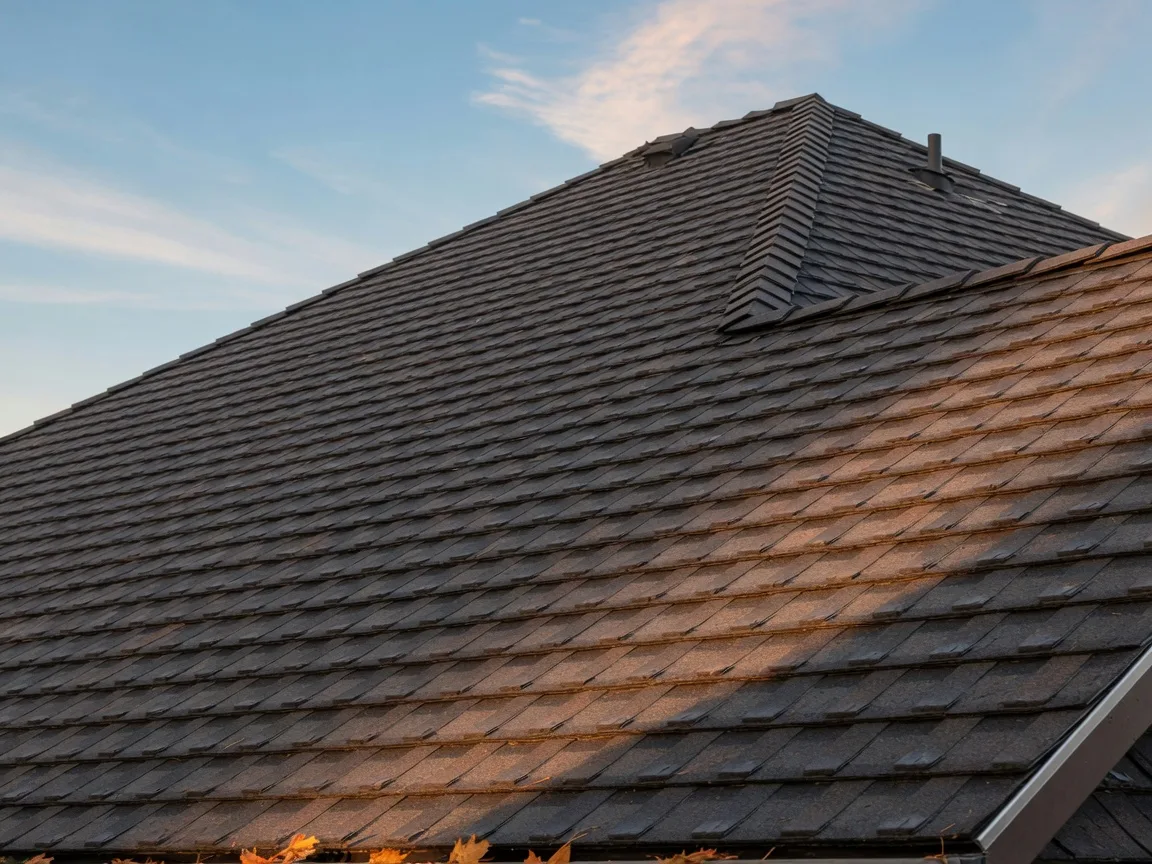
The biggest structural move, though, is the roof. When a roof needs replacing on a home you own, or you are looking at a new build, springing for Class 4 impact-resistant shingles changes the insurance math. They cost roughly $1.50 to $2.50 more per square foot, but South Dakota insurers commonly discount premiums by 15% to 28% for an impact-resistant roof, with quotes ranging anywhere from about 10% to 35%. Just as important, a Class 4 roof is much less likely to need a hail claim in the first place, which means you are not paying your wind and hail deductible over and over. On a 30-year roof, that combination usually pays for itself, and it is one of the few upgrades that shows up on both your insurance bill and your resale value.
Finally, be disciplined about claims. A roofer offering to file on your behalf for every dented gutter is not doing you a favor if the repair is under your deductible, because the claim can follow you for years. Review your coverage once a year, update your dwelling limit when you remodel, and keep your claim history clean. A homeowners policy in South Dakota is a weather policy first, and the homeowners who treat it that way tend to pay less over time.
What I check when I walk a home with a buyer
My background is in construction, electrical work, and safety, so a walk-through with me is part inspection and part education, and insurance is one of the things I flag before you ever see a quote. The roof is first. How old is it? What kind of shingles are on it? A roof under 10 years old is the easiest thing to insure in Sioux Falls. A roof in its teens, or one with older three-tab shingles, can mean higher quotes, a higher wind and hail deductible, or a roof claim buried in the seller's history. If the roof has been replaced in the last few years, I ask whether it went back on with impact-resistant Class 4 shingles, because that is a quiet premium discount sitting right on top of the house.
Below the roofline, I look at the things that produce claims in a hail-and-freeze climate: gutters and downspouts that carry water away from the foundation, grading that drains instead of pooling, updated electrical with enough capacity, and a furnace and water heater with honest ages. Water is the second most common homeowner claim after weather, so how a house sheds water tells me a lot about what its insurance will cost. And I always advise buyers to ask about prior claims on the disclosure, because that history shapes your quote for years.
Sellers should read this the same way, because insurance is part of your buyer pool too. A newer roof, especially an impact-resistant one, a clean claims history, and updated systems make a home noticeably easier to finance and insure, and buyers do shop insurance during their due diligence. When two similar houses sit at similar prices, the one with the insurable roof tends to be the one that gets the offer.
FAQ: Homeowners insurance in South Dakota
Why is homeowners insurance so expensive in South Dakota?
Hail and severe weather are the main reasons. South Dakota sits in the Great Plains hail corridor and averages roughly 48 to 50 severe hail days a year, about 14 to 15 of them with hail 2 inches or larger, the size that routinely damages or totals a roof. Hail claims account for about 35% of all homeowner claims in the state, and insurers price that risk into every policy, often through separate wind and hail deductibles and region-wide rate increases after bad hail years.
How much does homeowners insurance cost in South Dakota?
Rate studies put a typical South Dakota homeowners policy at roughly $3,374 a year (Insure.com), $3,637 (LendingTree), or about $3,965 (Kiplinger's 2026 ranking), compared with a national average of about $2,628. That makes South Dakota roughly 38% to 51% above the national average and one of the most expensive states in the country, ranked 9th most expensive by Kiplinger for 2026.
What is a wind and hail deductible in South Dakota?
Most South Dakota homeowners policies carry a separate wind and hail deductible, typically 1% to 2% of the home's insured dwelling value, according to the South Dakota Division of Insurance. On a home insured for $350,000, that is $3,500 to $7,000 out of pocket before the insurer pays on a hail-damage claim, far higher than the standard $1,000 or $2,500 all-peril deductible.
Does hail damage raise your home insurance rates in South Dakota?
Yes. A single hail claim typically raises a homeowner's premium by 2% to 10% for the next three to five years, and multiple claims raise it further. Because wind and hail damage is so common here, insurers treat claims history seriously, so it often pays to have a contractor honestly assess whether damage meets your deductible before you file.
Do Class 4 shingles lower your home insurance in South Dakota?
Yes, in most cases. Class 4 impact-resistant shingles cost roughly $1.50 to $2.50 more per square foot at replacement, but South Dakota insurers commonly discount premiums by 15% to 28% (with quotes ranging from about 10% to 35%) for an impact-resistant roof, and such a roof is far less likely to need a claim in the first place.
Is homeowners insurance required when buying a home in South Dakota?
Yes, if you finance the purchase. Lenders require an active homeowners insurance policy before closing and typically collect the premium through your escrow account, adding about one-twelfth of the annual premium to your monthly mortgage payment. That is why insurance shows up as a line item in every pre-approval and every closing statement.